
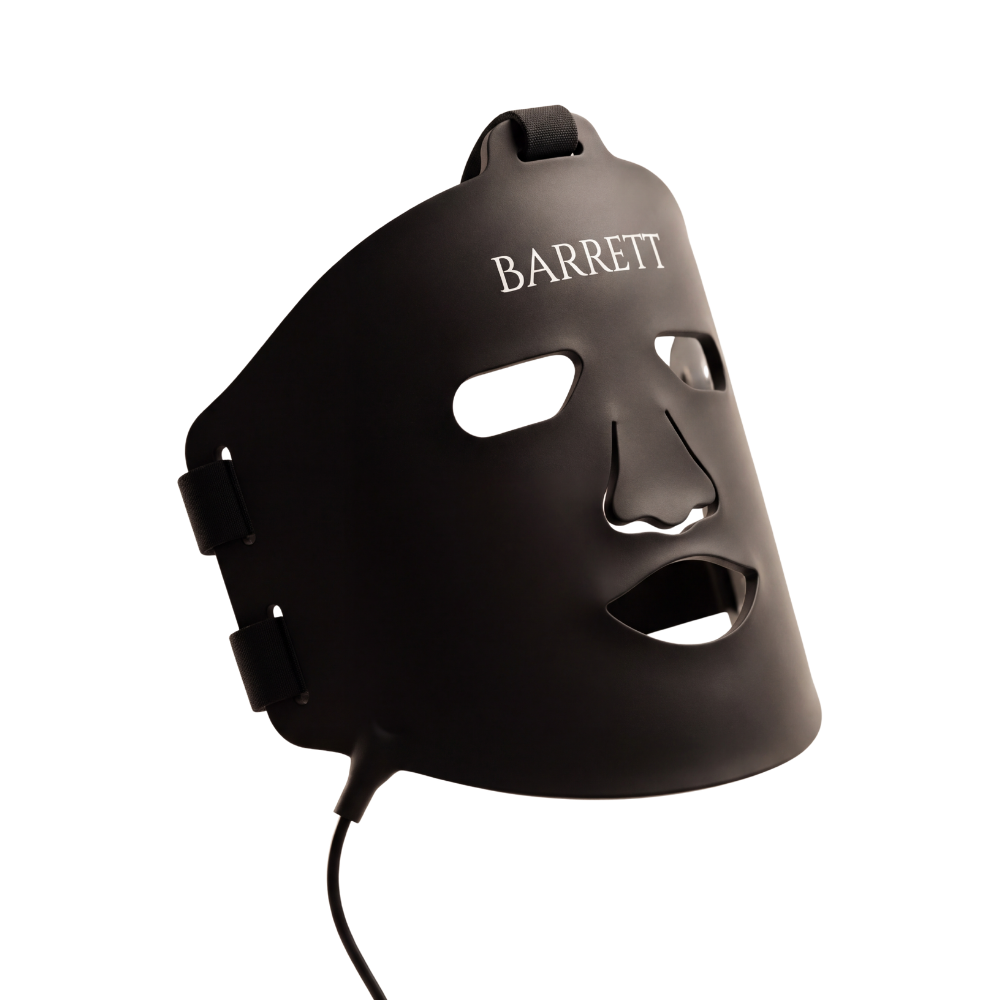

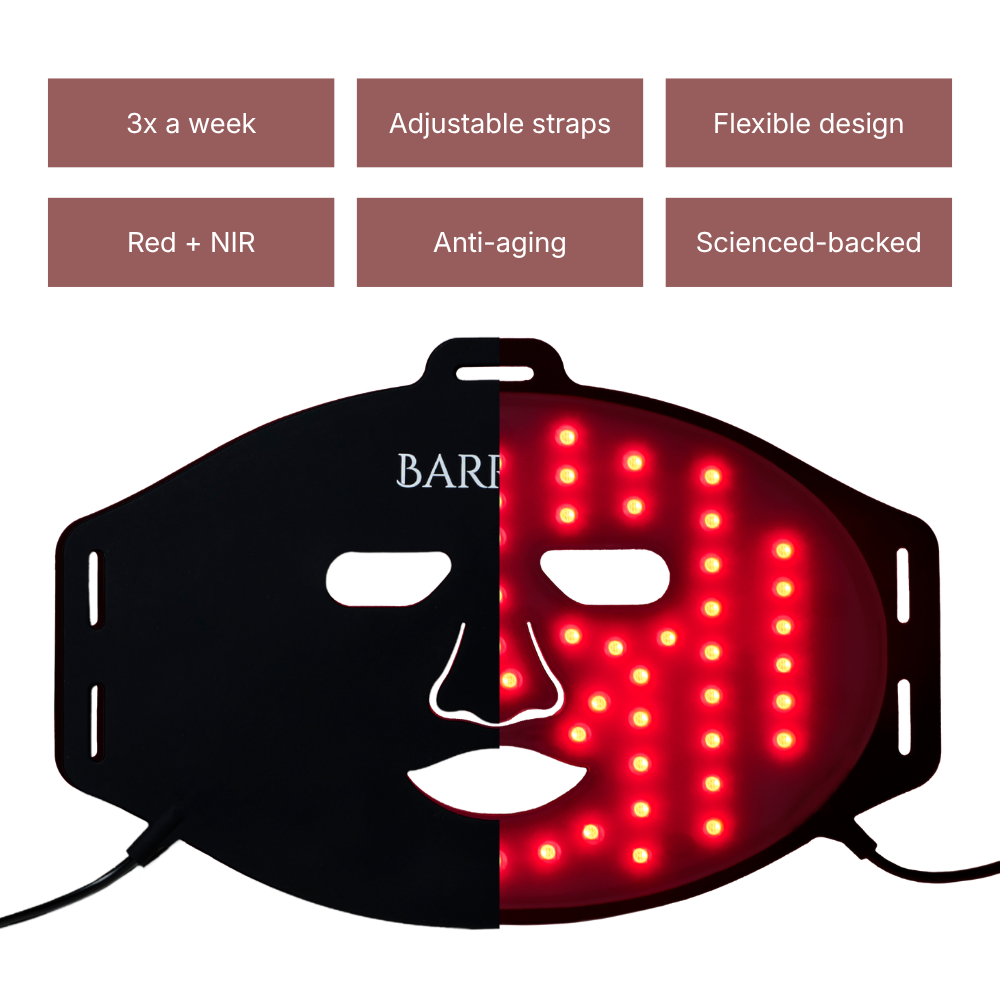

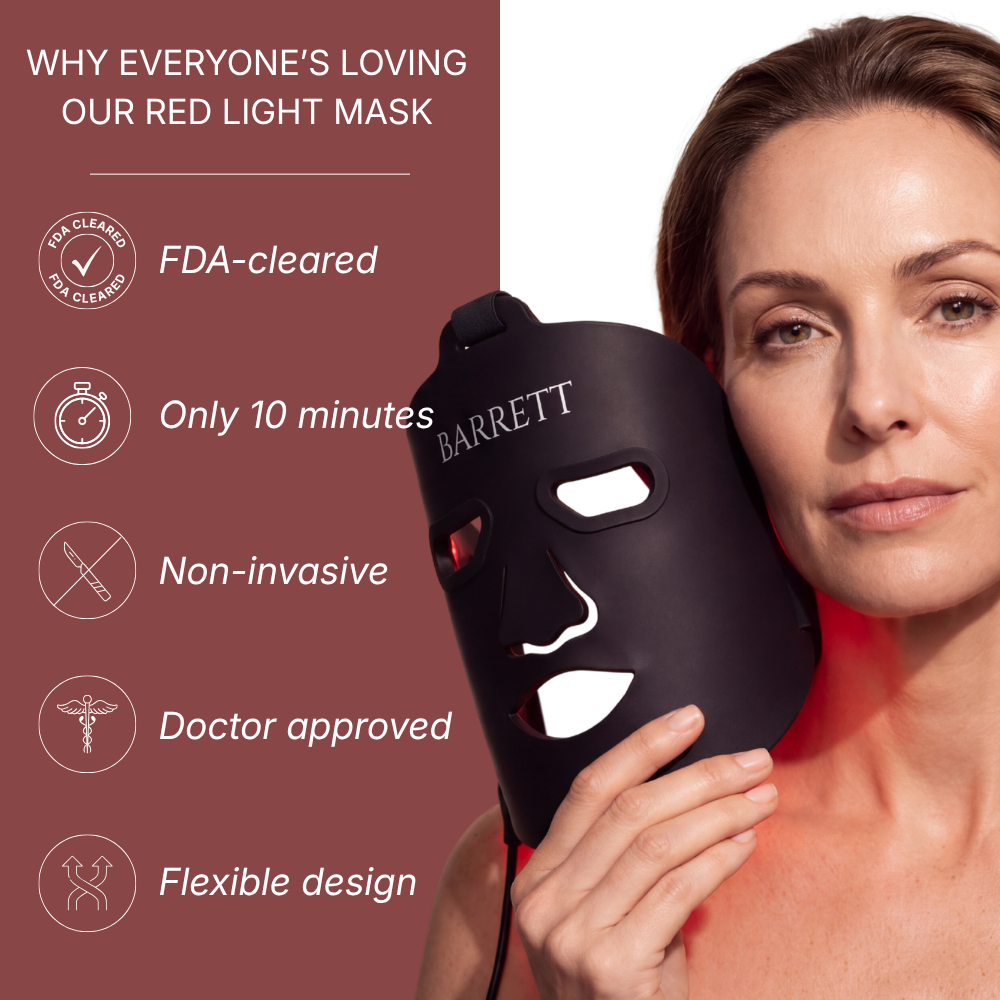


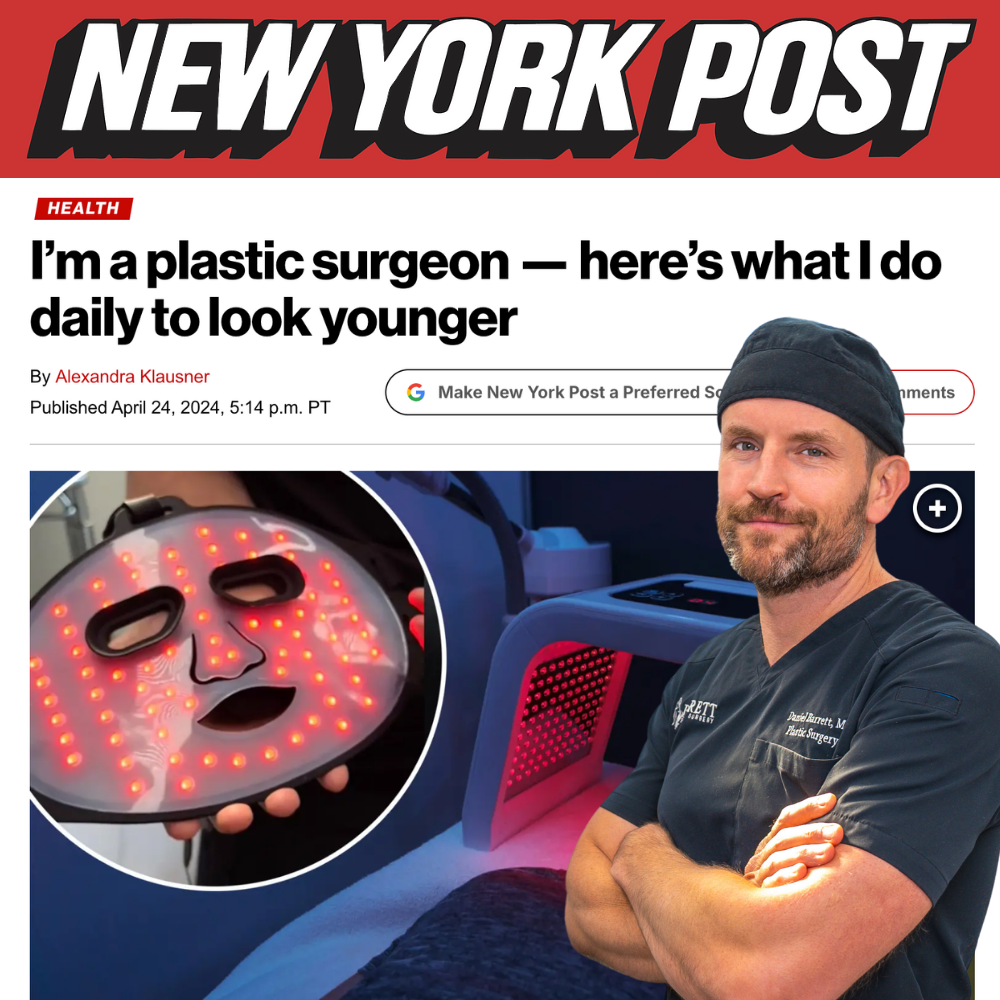
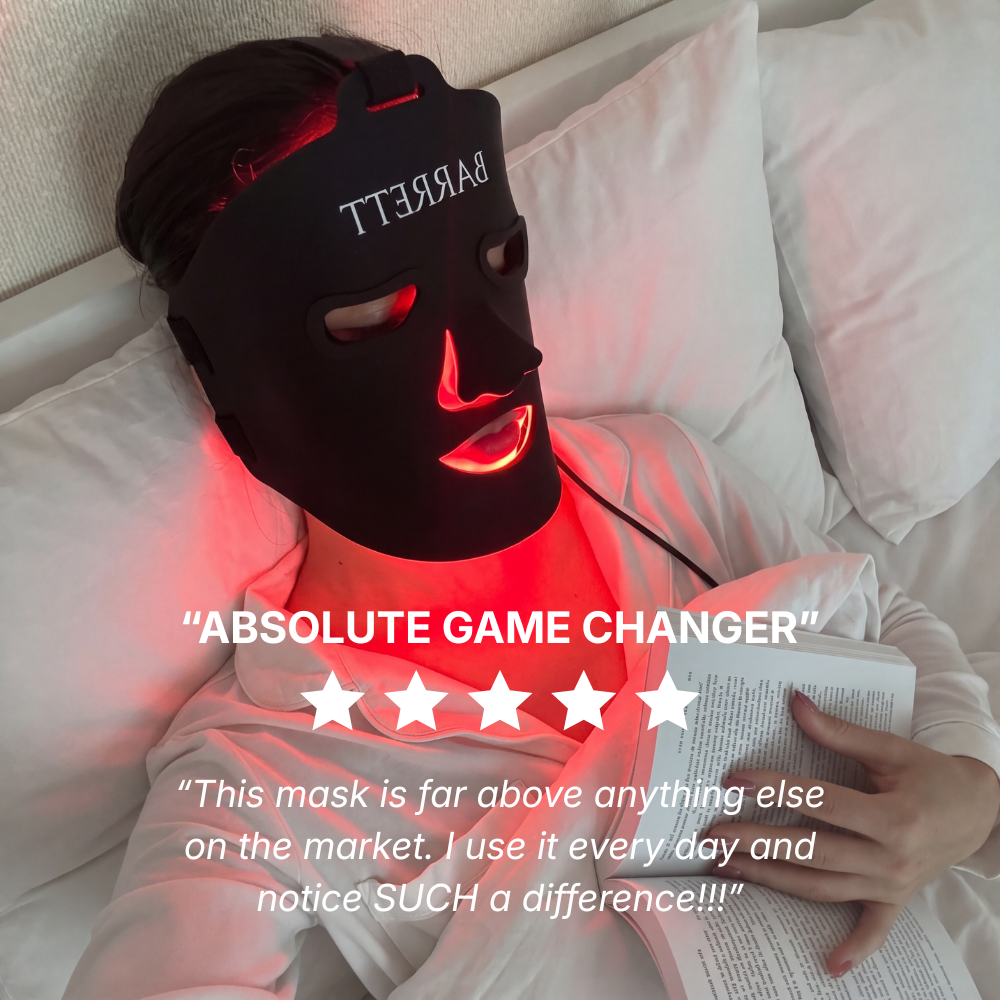


Red Light Therapy Face Mask
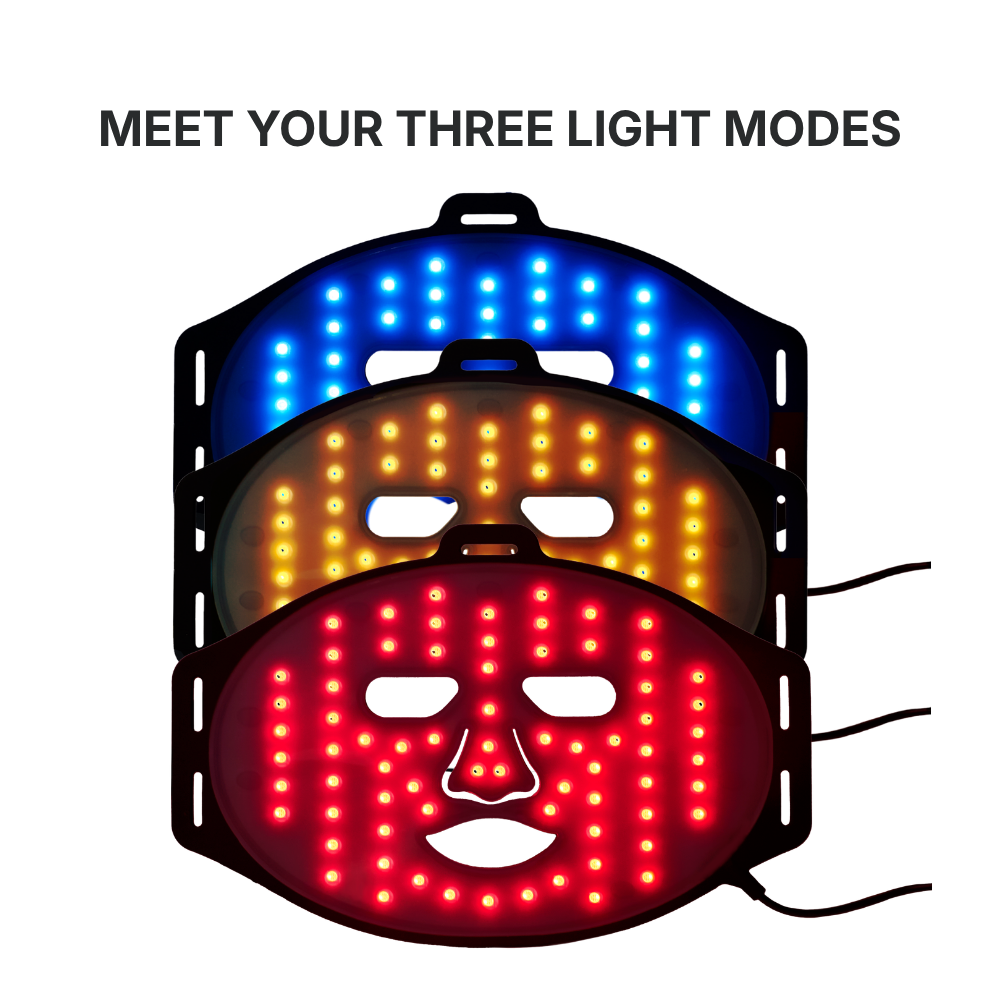
Harnessing the power of near-infrared (NIR), red, blue, and amber/yellow light, our mask targets various skin concerns with unparalleled precision:
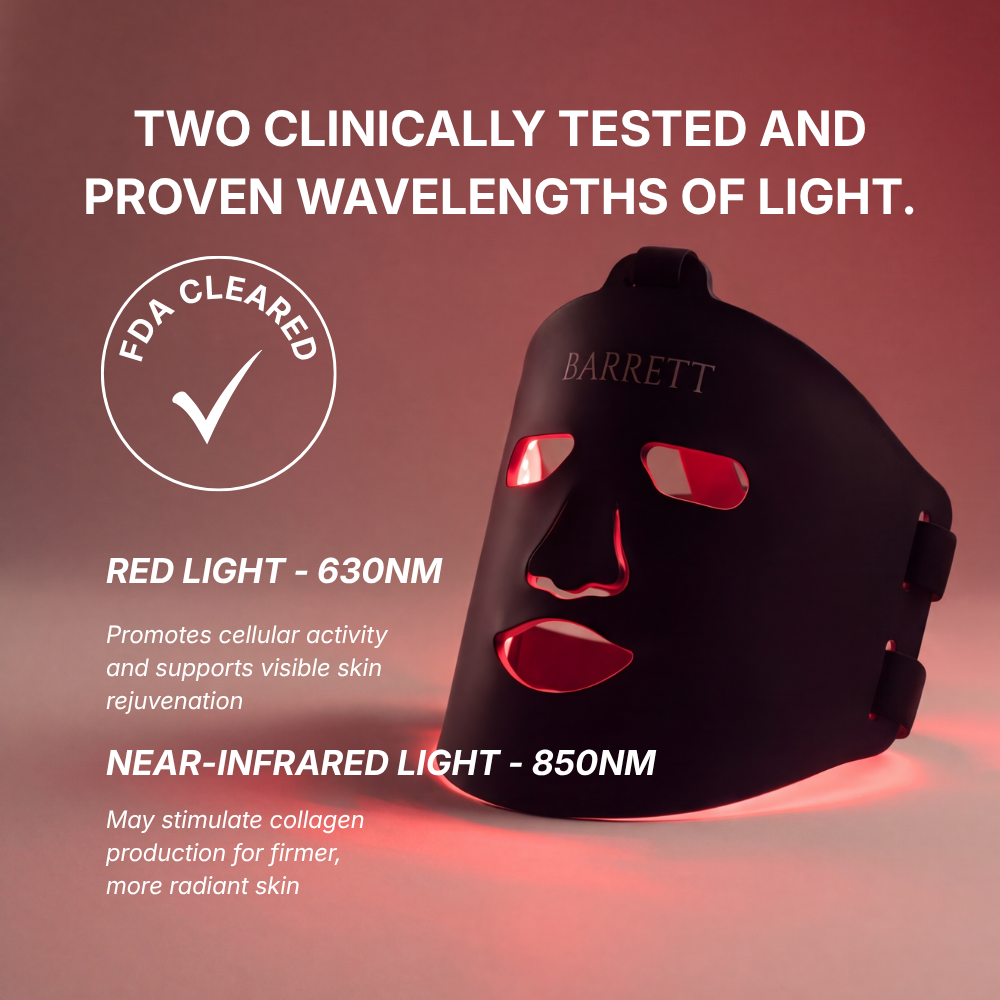
- Near-Infrared (NIR) Invisible Light | 850NM
- Red Light + NIR | 630NM + 850NM
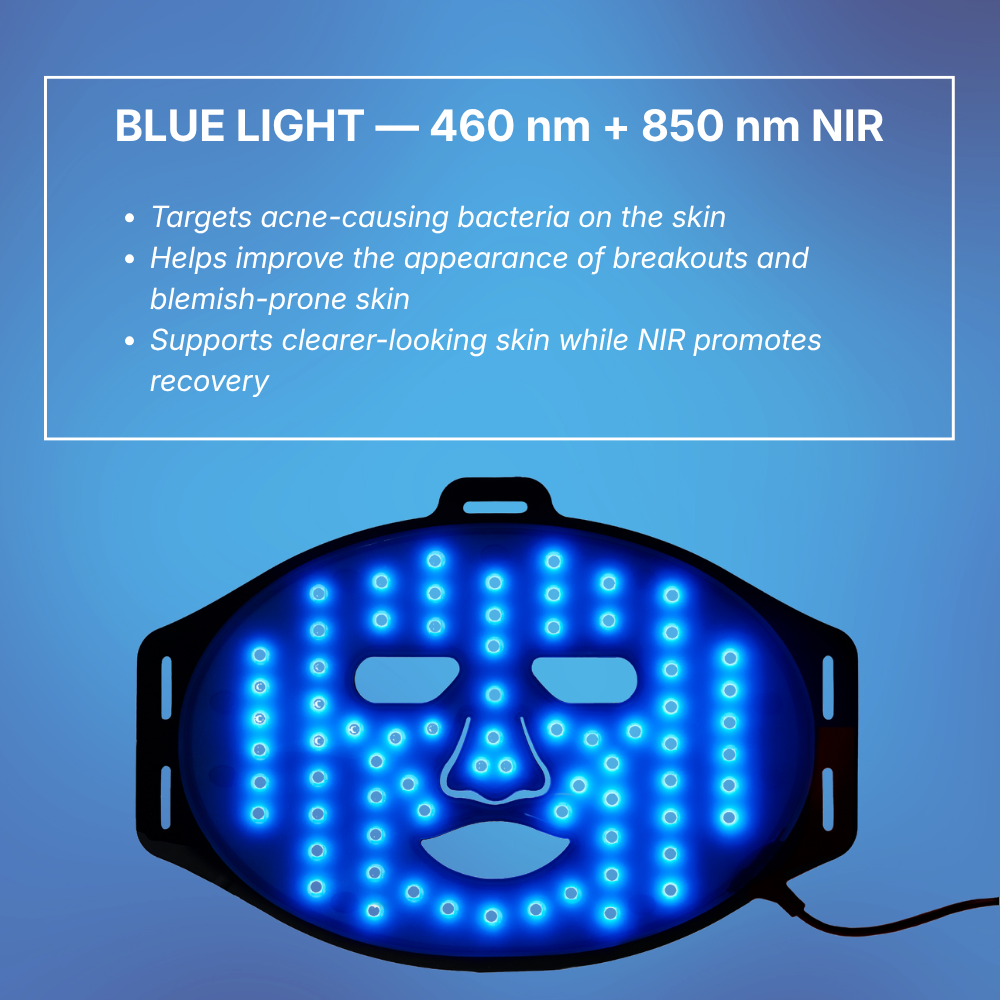
- Blue Light + NIR | 460NM + 850NM
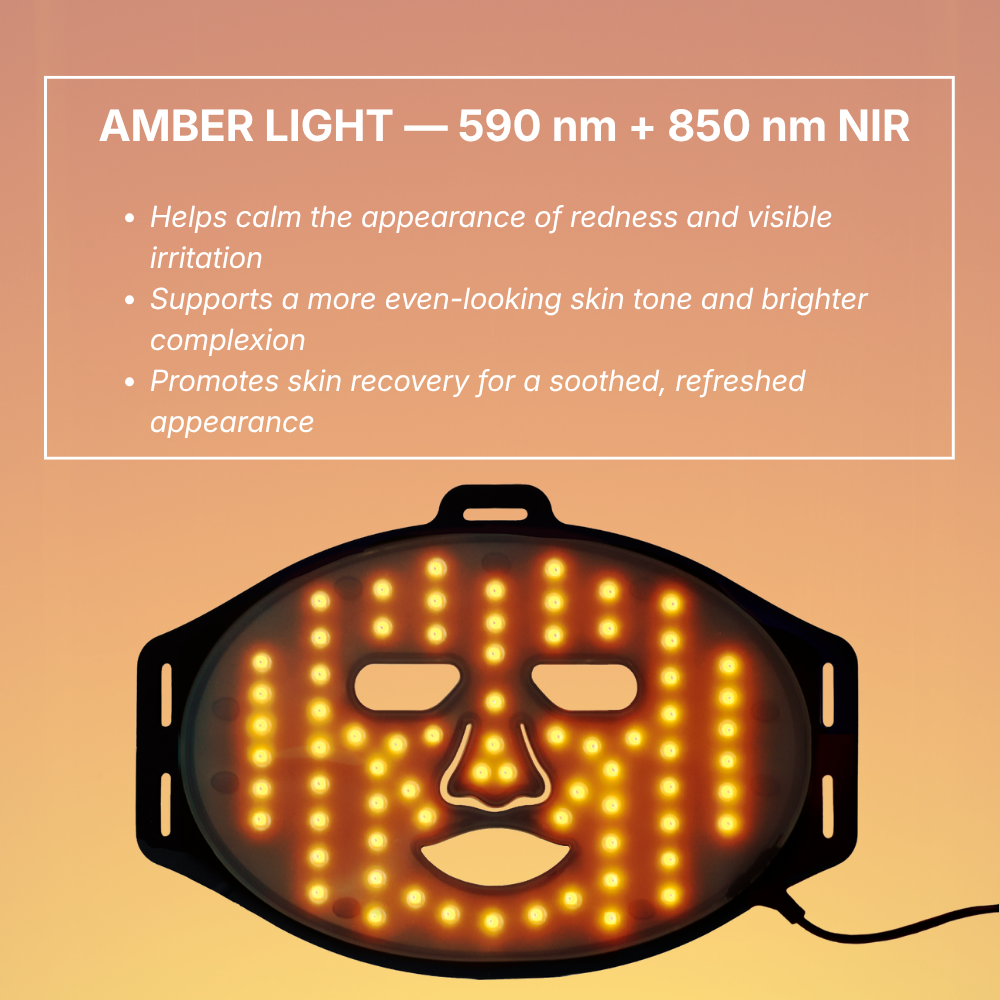
- Amber (Yellow) Light + NIR | 590NM + 850NM
Product Details
Key ingredients
How to use
Red Light Therapy Face Mask
Light Therapy, Reimagined.
Professional-grade red and near-infrared light therapy designed to bring advanced skincare technology into your daily routine.
Results That Build With Consistency.
Your New Light Ritual
Consistency starts here. Incorporate your mask into your regular skincare routine, using your selected light mode as directed. LED therapy works cumulatively, so regular use is key.
The Glow Starts to Show
With consistent use, skin may begin to appear brighter, smoother, and more refreshed. Red light therapy can support the processes involved in healthy-looking skin and collagen production.
Keep the Momentum Going
Continued use may support improvements in the appearance of fine lines, skin texture, firmness, and overall radiance. Make light therapy part of your long-term skincare routine to maintain your results.


DR. BARRETT EXPLAINS
Your Guide to Better Light Therapy.
Watch Dr. Barrett break down how to use the mask, what each light mode is designed for, and why consistency matters when incorporating LED therapy into your skincare routine.
loved by thousands
Real Customers


The Benefits Unmasked


Frequently Asked Questions
Everything you need to know about light therapy.
What does an LED therapy mask do?
An LED mask uses different wavelengths of light (usually red, blue, and sometimes near-infrared) to treat various skin concerns like wrinkles, acne, inflammation, and dullness by penetrating the skin and stimulating natural cellular processes.
Can I use skincare products with my LED mask?
Yes, but it’s best to apply LED therapy to clean, dry skin. Active ingredients like retinol or acids should be applied after your session, not before, to avoid sensitivity or irritation.
Can I use an LED mask if I have sensitive skin?
Yes, LED therapy is generally safe for sensitive skin. Start with shorter sessions (5–10 minutes) a few times a week and monitor how your skin reacts. Always patch test if unsure.
How do I clean and store my LED mask?
Wipe down the surface with a soft cloth and gentle, non-alcoholic antibacterial cleaner after each use. Store it flat or hung properly in a dry, cool area away from direct sunlight.
Does red light therapy have any side effects?
No, LED light therapy is non-invasive and painless. Most people feel a gentle warmth. Side effects are rare but may include mild redness or sensitivity if overused or if skin is extremely sensitive.
Is red light therapy safe for daily use?
We recommend using LED light therapy for 10 to 20 minutes, three to five times per week. Depending on your skin’s sensitivity, daily use may be suitable; however, excessive use is not advised, as it may lead to diminished effectiveness. For optimal results, always follow the usage guidelines provided with your device.
Rooted in Science, Made for You


Learn More About Red Light Therapy
Explore published research on the wavelengths and light-therapy modalities that inspired the technology behind our multi-light LED mask.
Study One
In a randomized, placebo-controlled study of 76 patients with facial wrinkles, researchers evaluated 633 nm red light, 830 nm near-infrared light, and a combination of the two. Treated groups showed significant improvements in wrinkles and skin elasticity, along with increased collagen and elastic fibers.
Study Two
Thirty-six participants received a combination of 633 nm red and 830 nm near-infrared LED treatments. Researchers reported statistically significant improvement in wrinkles, while participants also reported improvements in skin softness, smoothness, and firmness.
Study Three
A study of 31 subjects with facial wrinkles evaluated combined 633 nm and 830 nm LED therapy. At follow-up, 52% of participants showed a 25–50% improvement in photoaging scores, while 81% reported significant improvement in the appearance of wrinkles around the eyes.
Learn More About Blue Light Therapy
Explore published research on the wavelengths and light-therapy modalities that inspired the technology behind our multi-light LED mask.
Study One
In a clinical study of 45 patients with mild-to-moderate acne, 415 nm blue LED therapy was used over 4–8 weeks. Researchers reported improvement in inflammatory acne, with nine participants experiencing complete clearing by week eight.
Study Two
Twenty-one patients received blue light therapy at 415–425 nm twice weekly for four weeks. Researchers observed significant improvements in acne severity and inflammatory lesion counts.
Study Three
Twenty-four patients with facial acne received alternating 415 nm blue and 633 nm red LED treatments. Researchers reported reductions in inflammatory and non-inflammatory lesions, with particularly notable improvement in inflammatory lesions.
Learn More About Amber Light Therapy
Explore published research on the wavelengths and light-therapy modalities that inspired the technology behind our multi-light LED mask.
Study One
A randomized split-face clinical trial of 137 women compared 590 nm amber light with 660 nm red light. After 10 sessions, researchers found an approximately 30% reduction in periocular wrinkle volume with both wavelengths.
Study Two
In a prospective study of 90 participants, researchers evaluated 590 nm LED photomodulation for photoaged skin. The study reported improvements in skin texture, periocular wrinkles, erythema and pigmentation, along with increased collagen observed in post-treatment biopsy samples.
Study Three
Twenty patients received 590 nm LED treatment on one side of the face following fractional laser resurfacing. The LED-treated side showed less redness 24 hours after treatment, suggesting a potential role for 590 nm photomodulation in post-procedure erythema.
Our supplement range

Wellness
Skincare
Recovery
Best Sellers